Conjunctiva (Pink Eye)


Conjunctivitis, commonly known as pinkeye, is an inflammation of the conjunctiva, the clear membrane that covers the white part of the eye and the inner surface of the eyelids.

While pinkeye can sometimes be alarming because it may make the eyes extremely red and can spread rapidly, it's a fairly common condition and usually causes no long-term eye or vision damage. But if your child shows symptoms of pinkeye, it's important to see a doctor. Some kinds of pinkeye go away on their own, but other types require treatment.

Conjunctivitis can be caused by infections (such as bacteria and viruses), allergies, or substances that irritate the eyes.

Causes of Pinkeye

Pinkeye can be caused by many of the bacteria and viruses responsible for colds and other infections, — including ear infections, sinus infections, and sore throats — and by the same types of bacteria that cause the sexually transmitted diseases (STDs) chlamydia and gonorrhea.

Pinkeye also can be caused by allergies. These cases tend to happen more frequently among kids who also have other allergic conditions, such as hay fever. Some triggers of allergic conjunctivitis include grass, ragweed pollen, animal dander, and dust mites.

Sometimes a substance in the environment can irritate the eyes and cause pinkeye; for example, chemicals (such as chlorine and soaps) and air pollutants (such as smoke and fumes).

Pinkeye in Newborns

Newborns are particularly susceptible to pinkeye and can be more prone to serious health complications if it goes untreated.

If a baby is born to a mother who has an STD, during delivery the bacteria or virus can pass from the birth canal into the baby's eyes, causing pinkeye. To prevent this, doctors give antibiotic ointment or eye drops to all babies immediately after birth. Occasionally, this preventive treatment causes a mild chemical conjunctivitis, which typically clears up on its own. Doctors also can screen pregnant women for STDs and treat them during pregnancy to prevent transmission of the infection to the baby.

Many babies are born with a narrow or blocked tear duct, a condition which usually clears up on its own. Sometimes, though, it can lead to conjunctivitis.

Symptoms of Pinkeye

The different types of pinkeye can have different symptoms. And symptoms can vary from child to child.

One of the most common symptoms is discomfort in the eye. A child may say that it feels like there's sand in the eye. Many kids have redness of the eye and inner eyelid, which is why conjunctivitis is often called pinkeye. It can also cause discharge from the eyes, which may cause the eyelids to stick together when the child awakens in the morning. Some kids have swollen eyelids or sensitivity to bright light.

In cases of allergic conjunctivitis, itchiness and tearing are common symptoms.

Contagiousness

Cases of pinkeye that are caused by bacteria and viruses are contagious. (Conjunctivitis caused by allergies or environmental irritants are not.)

A child can get pinkeye by touching an infected person or something an infected person has touched, such as a used tissue. In the summertime, pinkeye can spread when kids swim in contaminated water or share contaminated towels. It also can be spread through coughing and sneezing. Doctors usually recommend keeping kids diagnosed with contagious conjunctivitis out of school, day care, or summer camp for a short time.

Someone who has pinkeye in one eye can also inadvertently spread it to the other eye by touching the infected eye, then touching the other one.

Preventing Pinkeye

To prevent pinkeye caused by infections, teach kids to wash their hands often with warm water and soap. They also should not share eye drops, tissues, eye makeup, washcloths, towels, or pillowcases with other people.

Be sure to wash your own hands thoroughly after touching an infected child's eyes, and throw away items like gauze or cotton balls after they've been used. Wash towels and other linens that the child has used in hot water separately from the rest of the family's laundry to avoid contamination.

If you know your child is prone to allergic conjunctivitis, keep windows and doors closed on days when the pollen is heavy, and dust and vacuum frequently to limit allergy triggers in the home. Irritant conjunctivitis can only be prevented by avoiding the irritating causes.

Many cases of pinkeye in newborns can be prevented by screening and treating pregnant women for STDs. A pregnant woman may have bacteria in her birth canal even if she shows no symptoms, which is why prenatal screening is important.

Treating Pinkeye

Pinkeye caused by a virus usually goes away on its own without any treatment. If a doctor suspects that the pinkeye has been caused by a bacterial infection, antibiotic eye drops or ointment will be prescribed.

Sometimes it can be a challenge to get kids to tolerate eye drops several times a day. If you're having trouble, put the drops on the inner corner of your child's closed eye — when the child opens the eye, the medicine will flow into it. If you continue to have trouble with drops, ask the doctor about antibiotic ointment. It can be applied in a thin layer where the eyelids meet, and will melt and enter the eye.

If your child has allergic conjunctivitis, your doctor may prescribe anti-allergy medication, which comes in the form of pills, liquid, or eye drops.

Cool or warm compresses and acetaminophen or ibuprofen may make a child with pinkeye feel more comfortable. You can clean the edges of the infected eye carefully with warm water and gauze or cotton balls. This can also remove the crusts of dried discharge that may cause the eyelids to stick together first thing in the morning.

When to Call the Doctor

If you think your child has pinkeye, it's important to contact your doctor to try to determine what's causing it and how to treat it. Other serious eye conditions can mimic conjunctivitis, so a child who complains of severe pain, changes in eyesight, or sensitivity to light should be reexamined. If the pinkeye does not improve after 2 to 3 days of treatment, or after a week when left untreated, call your doctor.

If your child has pinkeye and starts to develop increased swelling, redness, and tenderness in the eyelids and around the eye, along with a fever, call your doctor. Those symptoms may mean the infection has started to spread beyond the conjunctiva and will require additional treatment.

Helicobacter Pylori


The bacteria H. pylori (Helicobacter pylori) usually don't cause problems in childhood. However, if left untreated the bacteria can lead to digestive illnesses, including gastritis (the irritation and inflammation of the lining of the stomach), peptic ulcer disease (characterized by sores that form in the stomach or the upper part of the small intestine, called the duodenum), and even stomach cancer later in life.

These bacteria are found everywhere in the world, but especially in developing countries, where up to 10% of children and 80% of adults can have laboratory evidence of an H. pylori infection — usually without having symptoms.

Signs and Symptoms

Anyone can have an H. pylori infection without knowing it as most H. pylori infections are "silent" and produce no symptoms. When the bacteria do cause symptoms, they're usually either symptoms of gastritis or peptic ulcer disease.

In kids, symptoms of gastritis may include nausea, vomiting, and frequent complaints about pain in the abdomen. However, these symptoms are seen in many childhood illnesses.

H. pylori, which used to be called Campylobacter pylori, can also cause peptic ulcers (commonly known as stomach ulcers). In older kids and adults, the most common symptom of peptic ulcer disease is a gnawing or burning pain in the abdomen, usually in the area below the ribs and above the navel. This pain often gets worse on an empty stomach and improves as soon as the person eats food, drinks milk, or takes antacid medicine.

Kids who have peptic ulcer disease can have ulcers that bleed, causing hematemesis (bloody vomit or vomit that looks like coffee grounds) or melena (stool that's black, bloody, or looks like tar). Younger children with peptic ulcer disease may not have symptoms as clear-cut, so their illness may be harder to diagnose.

Contagiousness

Scientists suspect that H. pylori infection may be contagious because the infection seems to run in families and is more common where people live in crowded or unsanitary conditions. Although research suggests that infection is passed from person to person, exactly how this happens isn't really known.

Diagnosis

Doctors can make the diagnosis of an H. pylori infection by using many different types of tests. Your doctor may:

  • look at the stomach lining directly. This is performed under sedation and involves inserting an endoscope — a small, flexible tube with a tiny camera on the end — down the throat and into the stomach and duodenum. The doctor may then take samples of the lining to be checked in the laboratory for microscopic signs of infection and for H. pylori bacteria.
  • do blood tests, which can detect the presence of H. pylori antibodies. Blood tests are common, although they typically aren't as accurate for children as they are for adults.
  • do breath tests, which can detect carbon broken down by H. pylori after the patient drinks a solution. But breath tests are also used mostly in adults.

Treatment

Doctors treat H. pylori infections using antibiotics. Because a single antibiotic may not kill the bacteria, your child may be given a combination of antibiotics.

If your child has symptoms of bleeding from the stomach or small intestine, these symptoms will be treated in a hospital.

Because H. pylori infection can be cured with antibiotics, the most important home treatment is to give your child any prescribed antibiotic medicine on schedule for as long as the doctor has directed. The doctor may also give antacids or acid-suppressing drugs to neutralize or block production of stomach acids.

One way to help soothe the abdominal pain is by following a regular meal schedule. This means planning meals so that your child's stomach doesn't remain empty for long periods. Eating five or six smaller meals each day may be best, and your child should take some time to rest after each meal.

It's also important to avoid giving your child aspirin, aspirin-containing medicines, ibuprofen, or anti-inflammatory drugs because these may irritate the stomach or cause stomach bleeding.

With prolonged antibiotic therapy, H. pylori gastritis and peptic ulcer disease (especially ulcers in the duodenum, a portion of the small intestine) can often be cured.

Prevention

Right now, there's no vaccine against H. pylori. And because transmission isn't clearly understood, prevention guidelines aren't available. However, it's always important to make sure you and your family:

  • Wash your hands thoroughly.
  • Eat food that's been properly prepared.
  • Drink water from a safe source.

When to Call the Doctor

Call your doctor immediately if your child has any of these symptoms:

  • severe abdominal pain
  • vomit that's bloody or looks like coffee grounds
  • stool that's bloody, black, or looks like tar
  • persistent gnawing or burning pain in the area below the ribs that improves after eating, drinking milk, or taking antacids

However, it's important to remember kids can get stomachaches for many reasons — like indigestion, viruses, tension and worry, and appendicitis. Most stomachaches are not caused by H. pylori bacteria.

Adenovirus

Adenoviruses — a group of viruses that infect the membranes (tissue linings) of the respiratory tract, the eyes, the intestines, and the urinary tract — account for about 10% of acute respiratory infections in children and are a frequent cause of diarrhea.
Adenoviral infections affect infants and young children much more frequently than adults. Child-care centers and schools sometimes experience multiple cases of respiratory infections and diarrhea that are caused by adenovirus.

Although these infections can occur at any time of the year, respiratory tract disease caused by adenovirus is more common in late winter, spring, and early summer. However, conjunctivitis and pharyngoconjunctival fever caused by adenovirus tend to affect older kids mostly in the summer.

The majority of the population will have experienced at least one adenoviral infection by age 10. Although adenoviral infection in kids can occur at any age, most take place in the first years of life. Since there are many different types of adenovirus, repeated adenoviral infections can occur.

Signs and Symptoms

Depending on which part of the body is affected, the signs and symptoms of adenoviral infections vary:

Febrile respiratory disease, which is an infection of the respiratory tract that includes a fever, is the most common result of adenoviral infection in children. The illness often appears flu-like and can include symptoms of pharyngitis (inflammation of the pharynx, or sore throat), rhinitis (inflammation of nasal membranes, or a congested, runny nose), cough, and swollen lymph nodes (glands). Sometimes the respiratory infection leads to acute otitis media, an infection of the middle ear. Adenovirus often affects the lower respiratory tract as well, causing bronchiolitis, croup, or viral pneumonia, which is less common but can cause serious illness in infants. Adenovirus can also produce a dry, harsh cough that can resemble whooping cough (pertussis).

Gastroenteritis is an inflammation of the stomach and the small and large intestines. Symptoms include watery diarrhea, vomiting, headache, fever, and abdominal cramps.

Urinary tract infections can cause frequent urination, burning, pain, and blood in the urine.

Eye Infections:

  • Conjunctivitis (or pinkeye) is a mild inflammation of the conjunctiva (membranes that cover the eye and inner surfaces of the eyelids). Symptoms include red eyes, discharge, tearing, and the feeling that there's something in the eye.
  • Pharyngoconjunctival fever, often seen in small outbreaks among school-age children, occurs when adenovirus affects both the lining of the eye and the respiratory tract. Symptoms include very red eyes and a severe sore throat, sometimes accompanied by low-grade fever, rhinitis, and swollen lymph nodes.
  • Keratoconjunctivitis is a more severe infection that involves both the conjunctiva and cornea (the transparent front part of the eye). This type of adenoviral infection is extremely contagious, and occurs most often in older children and young adults, who complain of red eyes, photophobia (discomfort of the eyes upon exposure to light), tearing, and pain.

Contagiousness

Adenovirus is highly contagious, as indicated by the occurrence of multiple cases in situations of close contact, such as child-care centers, schools, hospitals, and summer camps.

The types of adenovirus that cause respiratory and intestinal infections spread from person to person through respiratory secretions (coughs or sneezes) or fecal contamination. Fecal material can be ingested through contamination of water supplies, poor hand washing between the bathroom and the kitchen, eating food contaminated by houseflies, or poor hygiene after handling diapers.

A child might also pick up the virus by holding hands or sharing a toy with an infected person. Indirect transmission can occur through exposure to the contaminated surfaces of furniture and other objects.

The types of adenovirus causing conjunctivitis may be transmitted by water (in lakes and swimming pools), by sharing contaminated objects (such as towels or toys), or by touch.

Once a child is exposed to adenovirus, symptoms can develop from 2 days to 2 weeks later.

Treatment

Adenoviral illnesses often resemble certain bacterial infections, which can be treated with antibiotics. But antibiotics don't work against viruses. To diagnose the true cause of the symptoms so that proper treatment can be prescribed, your doctor may want to test a sample of respiratory or conjunctival secretions, a stool specimen, or blood or urine sample — depending on what condition is being considered.

The doctor will decide on a course of action based on your child's condition. Adenoviral infections usually don't require hospitalization. However, infants and young children may not be able to drink enough fluids to replace what they lose during vomiting or diarrhea and may therefore need to be hospitalized to correct or prevent dehydration. Also, young — especially premature — infants with pneumonia usually need to be hospitalized.

In most cases, a child's body will get rid of the virus over time. Because antibiotics are of no use in treating a viral infection, you should simply try to make your child more comfortable.

If your child has a respiratory infection or fever, getting plenty of rest and taking in extra fluids is essential. A cool-mist humidifier (vaporizer) may help loosen congestion and make your child more comfortable. Be sure to clean and dry the humidifier thoroughly each day to prevent bacterial or mold contamination. If your child is under 6 months old, you may need to clear his or her nose with a bulb syringe.

Don't give any over-the-counter (OTC) cold remedies or cough medicines without checking with your child's doctor. You can use acetaminophen to treat a fever; however, do not give aspirin because of the risk of Reye syndrome, a life-threatening illness.

If your child has diarrhea or is vomiting, increase fluid intake and check with the doctor about giving an oral rehydration solution to prevent dehydration.

To relieve the symptoms of conjunctivitis, use warm compresses and a topical eye ointment or drops if your doctor recommends them.

Duration

Most adenoviral infections last from a few days to a week. Severe respiratory infections may last longer and cause lingering symptoms, such as a cough. Pneumonia can last anywhere from 2 to 4 weeks.

In cases of pharyngoconjunctival fever, sore throat and fever may disappear within a week, but conjunctivitis can persist for another several days to a week. The more severe keratoconjunctivitis can even last for several weeks. Adenovirus can also cause diarrhea that lasts up to 2 weeks, which is longer than other viral diarrheas.

Prevention

There's no way to completely prevent adenoviral infections in kids. To reduce the risk of transmission, parents and other caregivers should encourage frequent hand washing, keep shared surfaces such as countertops and toys clean, and remove children with infections from group settings until symptoms subside.

When to Call the Doctor

Most of these adenoviral conditions and their symptoms are also associated with other causes. Call your doctor if:

  • a fever continues more than a few days
  • symptoms seem to get worse after a week
  • your child has breathing problems
  • your child is under 3 months old
  • any swelling and redness around the eye becomes more severe or painful
  • your child shows signs of dehydration, such as appearing tired or lacking energy, producing less urine or tears, or having a dry mouth or sunken eyes

Remember that you know your child best. If he or she appears to be severely ill, don't hesitate to call your doctor right away.

Urine Test


Doctors order urine tests for kids to make sure that the kidneys and certain other organs are functioning properly, or when they suspect that a child might have an infection in the kidneys, bladder, or other parts of the urinary tract.

The kidneys make urine as they filter wastes from the bloodstream while leaving substances in the blood that the body needs, like protein and glucose. So when urine contains glucose, too much protein, or has other irregularities, it's usually a sign of a health problem.

Urinalysis

A urinalysis is usually ordered when a doctor suspects that a child has a urinary tract infection or a health problem that can cause an abnormality in the urine. This test can measure:

  • the number and variety of red and white blood cells
  • the presence of bacteria or other organisms
  • the presence of substances, such as glucose, that usually shouldn't be found in the urine
  • the pH, which shows how acidic or basic the urine is
  • the concentration of the urine

Sometimes, when the urine contains white blood cells or protein, or the test results seem abnormal for another reason, it's because of how or when the urine was collected. For example, a dehydrated child may have a few white blood cells or a small amount of protein in the urine. But that may not necessarily mean that there's an infection or a health problem. Once the child is rehydrated, these "abnormal" results may disappear. Depending on the amount of protein or white blood cells in the urine, the doctor may repeat the urine test at another time, just to make sure that everything is back to normal.

How a Urinalysis Is Done

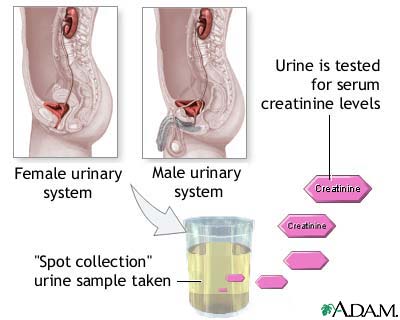
In most cases, urine is collected in a clean container, then a plastic stick that has patches of chemicals on it (the dipstick) is placed in the urine. The patches change color to indicate things like the presence of white blood cells or glucose.

The doctor or laboratory technologist also usually examines the urine under a microscope to check for other substances that indicate different conditions.

If a urinalysis shows white blood cells and bacteria — which may mean that there's an infection in the kidneys or the bladder — the doctor may decide to send the urine to a lab for a urine culture to identify bacteria that may be causing the infection.

Getting a urine sample. It can be difficult to get urine samples from kids to analyze for a possible infection. That's because the skin around the urinary opening normally is home to some of the same bacteria that cause infections in the urinary tract. If these bacteria contaminate the urine, the doctors may not be able to use the sample to tell if there is an infection or not.

To avoid this, the skin surrounding the urinary opening has to be cleaned and rinsed immediately before the urine is collected. In this "clean-catch" method, the patient (or parent) cleans the skin around the urinary opening. The child then urinates, stops momentarily (if the child is old enough to cooperate), then urinates again into the collection container. Catching the urine in "midstream" is the goal.

In some cases, like when the child is not yet toilet trained, the doctor will insert a catheter (a narrow, soft tube) through the urinary tract opening into the bladder to get the urine sample.

If you have any questions about urine tests, talk with your doctor.

Diaper Rash


Diaper rash is a very common infection that can cause a baby's skin to become sore, red, scaly, and tender. In most cases, the rash occurs because the skin is irritated by diapers that are too tight; soiled diapers that are left on for too long; or certain brands of detergent, diapers, and baby wipes.

Diaper rash usually can be cleared up by checking your baby's diaper often, and changing it as soon as it's wet or soiled, and by using a zinc oxide cream or ointment to soothe skin and protect it from moisture.

When a diaper rash lasts for more than 3 days, even with changes to the diapering routine, it's usually caused by candida, a yeast-like fungus. This form of the rash is usually red, slightly raised, and has small red dots extending beyond the main part of the rash. It typically starts in the creases of skin and can spread to skin on the front and back of the baby. It usually goes away after treatment with antifungal creams, which can be prescribed by your doctor.

Preventing Diaper Rash

The best way to prevent diaper rash is by keeping your baby's skin as dry and clean as possible and changing diapers often so that feces and urine won't irritate the skin. The plastic that prevents diapers from leaking also prevents air circulation, thus creating a warm, moist environment where rashes and fungi can thrive.

To prevent diaper rash:

  • change your baby's soiled or wet diapers as soon as possible
  • occasionally soak your baby's bottom between diaper changes with warm water
  • allow your baby's skin to dry completely before you put on another diaper

If you use cloth diapers, rinse them several times after washing to remove any traces of soap or detergent that can irritate your baby's skin. Avoid using fabric softeners — even these can irritate the skin.

Some experts suggest allowing your baby to go without diapers for several hours each day to give irritated skin a chance to dry and "breathe." This is easiest if you place your baby in a crib with waterproof sheets.

Treating Diaper Rash

Diaper rash usually goes away within 2 to 3 days with home care. If it persists, or if sores start to appear on your baby's skin, talk to your doctor.